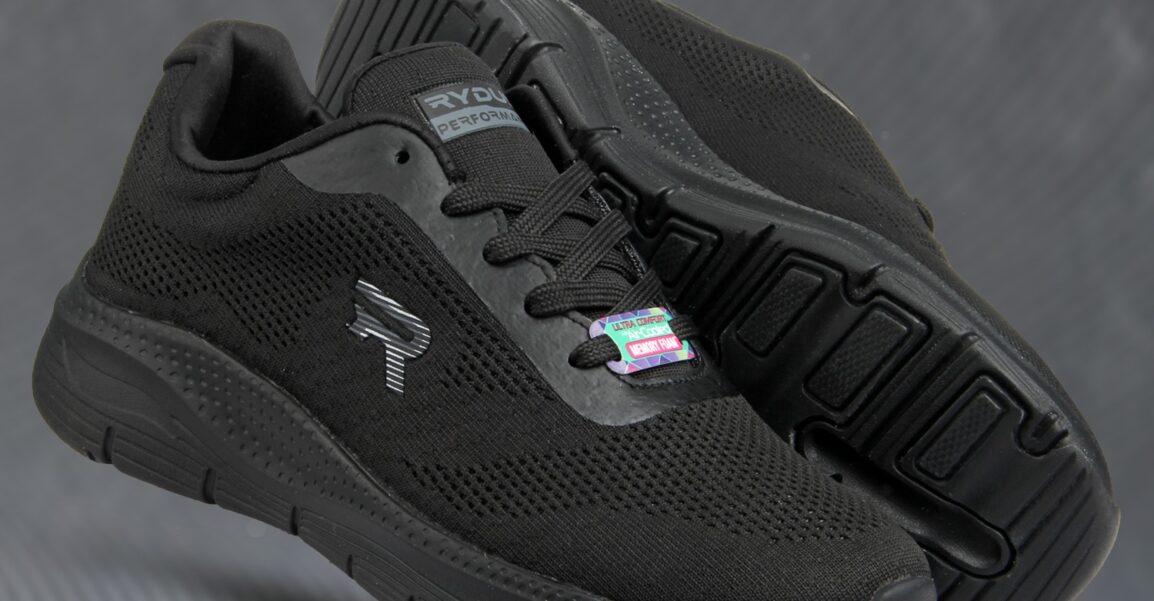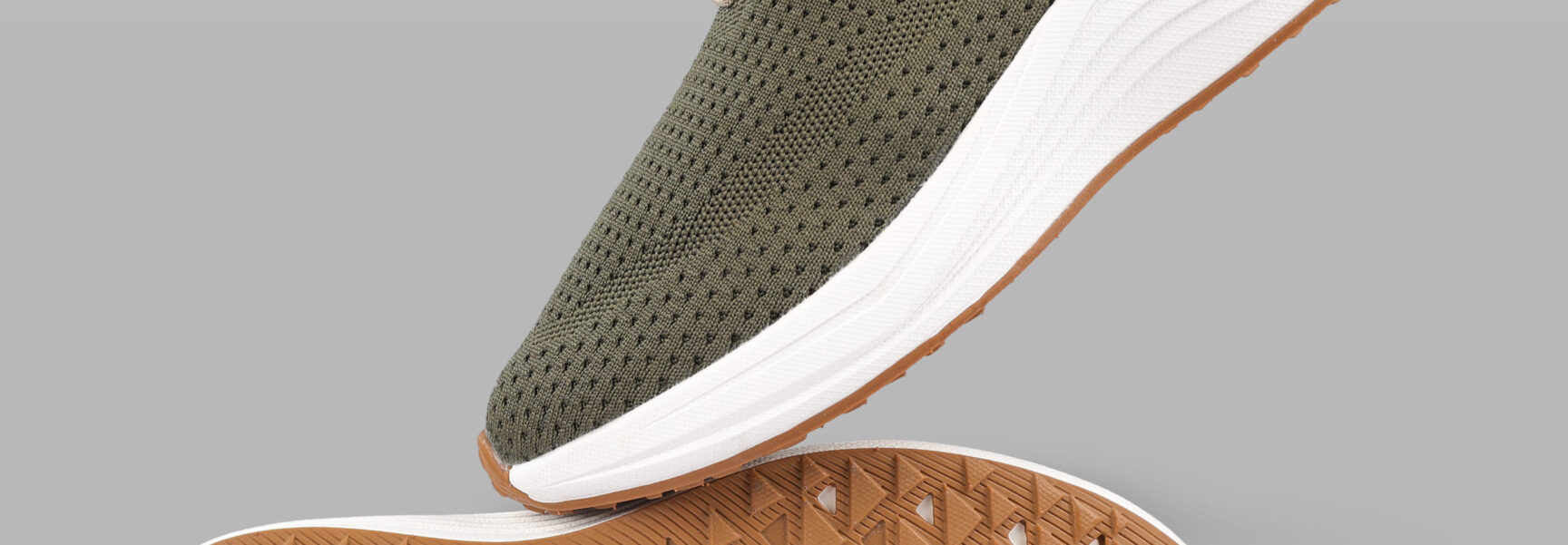
Walk into any shoe store in India and you’ll see hundreds of options labelled as ‘sports shoes.’ But are all of them built for the same purpose? Absolutely not. Running shoes and training shoes are designed for very different types of movement, and choosing the wrong one can affect both your performance and your joint health.
Let’s break it down clearly.
What Are Running Shoes?
Running shoes are built primarily for forward motion. They typically feature a higher heel-to-toe drop, generous heel cushioning to absorb the repeated impact of your foot striking the ground, and a flexible forefoot to encourage a smooth toe-off with each stride.
The midsole of a running shoe is usually thicker and softer — excellent for shock absorption across long distances but not ideal for activities that require stability under lateral load.
What Are Training Shoes?
Training shoes (also called cross-trainers or gym shoes) are designed for multi-directional movement. They have a lower heel-to-toe drop, a firmer and flatter outsole for stability, and reinforced sidewalls to support lateral cuts, jumps, and quick direction changes.
The flat, firm sole of a training shoe also makes it far better for weightlifting, where you need a stable platform to push against the ground.
Side-by-Side Comparison
Feature | Running Shoes | Training Shoes
Heel cushioning | High | Medium to low
Lateral support | Low | High
Best for | Jogging, road running | Gym, HIIT, weightlifting
Sole flexibility | High at forefoot | Moderate, stable
Which Type Do You Need?
Choose running shoes if you:
- Go for morning or evening runs of 3km or more
- Run on roads, tracks, or treadmills regularly
- Have knee or joint sensitivity and need extra cushioning
Choose training shoes if you:
- Primarily work out in a gym — lifting, HIIT, aerobics
- Play sports like badminton or basketball
- Need one versatile shoe for various workouts
💡 If you do both running and gym workouts, consider owning one pair of each. Rydus Performance offers affordable options in both categories, so you don’t have to compromise.
What About Walking Shoes?
Walking shoes fall somewhere in between. They prioritise cushioning and comfort for sustained low-impact movement, with more flexibility than training shoes but less bounce than running shoes. If you walk 5,000+ steps a day for fitness or leisure, a dedicated walking shoe will keep your feet comfortable and supported throughout.
Browse the Rydus Performance Walking collection for options designed specifically for daily walkers.